















Hariyali Teej is one of the most vibrant, heartwarming, and spiritually enriching festivals celebrated by Hindu women across North India. Falling during the lush monsoon month of Shravan, Hariyali Teej honors the divine union of Lord Shiva and Goddess Parvati. It is a celebration of love, marital bliss, renewal, and nature's greenery.
Whether you are preparing for your first Teej post-marriage or continuing a cherished yearly tradition, observing these customs deepens your connection to the festival's spiritual heritage.
Here are the 7 key rituals and traditions of Hariyali Teej that every woman should know along with practical tips to make your celebrations seamless and memorable.
7 Hariyali Teej Traditions & Their Significance
|
Tradition / Ritual |
Cultural & Spiritual Significance |
Practical Tip for Celebrations |
|
1. Mehendi (Henna) |
Symbolizes marital love, longevity, and auspicious beginnings. |
Apply 2 days early; avoid washing hands with soap for 24 hours. |
|
2. Green Sarees & Lehengas |
Represents growth, harmony, prosperity, and monsoon greenery. |
Pair green outfits with red or gold bangles for a festive contrast. |
|
3. Sindoor & Solah Shringar |
Honors Goddess Parvati’s marital bliss and marital devotion. |
Choose chemical-free sindoor and traditional Kundan/silver jewelry. |
|
4. Swinging on Jhoolas |
Celebrates joy, freedom, seasonal renewal, and prosperity. |
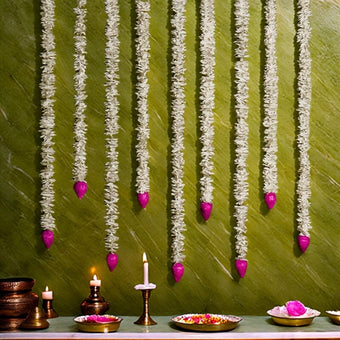
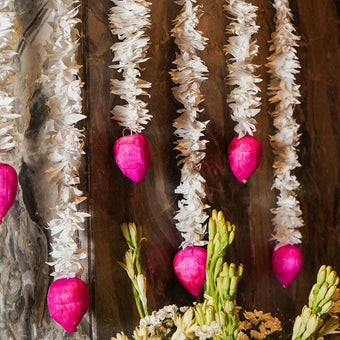
Decorate swings naturally with fresh mango leaves and marigold garlands. |
|
5. Teej Vrat & Evening Puja |
Demonstrates dedication to a partner's long life and marital strength. |
Keep your Puja Thali prepared in advance with sweets like Ghewar and Kalash. |
|
6. Gifting & Sindhara Exchange |
Expresses love, goodwill, and family blessings between generations. |
Choose eco-friendly pooja hampers and reusable decorative gifting boxes. |
|
7. Traditional Folk Songs & Dancing |
Builds community spirit, shared happiness, and cultural heritage. |
Gather with female family members and neighbors for communal singing. |
What Is the Legend Behind Hariyali Teej?
To truly appreciate the rituals observed on this day, one must understand the sacred origin story of Hariyali Teej. According to Hindu scriptures, Goddess Parvati underwent intense penance (tapasya) and devotions across 108 lifetimes to prove her love and dedication to Lord Shiva.
Pleased by her unwavering devotion, Lord Shiva accepted her as his wife on the third day (Tritiya) of the Shravan month. Today, Hariyali Teej commemorates this eternal divine union, celebrating love, perseverance, and marital harmony.
1. Mehendi – The First Blessing of Teej

Applying elaborate henna patterns on the hands and feet is the first grand ritual that marks the arrival of Hariyali Teej.
-
Significance: In Hindu tradition, dark henna stains symbolize the depth of love between a couple, as well as health, prosperity, and marital longevity.
-
Expert Tip: For a rich, dark stain, apply your mehendi 2 days before Teej, apply a mixture of lemon-sugar syrup while it dries, and avoid washing your hands with soap for the first 24 hours.
2. Dressing in Green Sarees & Lehengas

During Hariyali Teej, the earth adorns a lush green blanket following the monsoon rains and women mimic this natural rebirth through their attire.
-
Significance: Wearing green attire (sarees, suits, or lehengas) represents growth, harmony, peace, and abundance.
-
Styling Tip: Pair your green ensemble with bright red, gold, or green glass bangles to complete a traditional Teej look.
3. Applying Sindoor & Solah Shringar

Hariyali Teej is a time for married women to embrace Solah Shringar, the sixteen traditional adornments of a bride.
-
Significance: Applying sindoor (vermilion) and adorning items like bindi, toe rings, bangles, and anklets is done to honor Goddess Parvati's intense devotion and her blissful union with Lord Shiva.
-
Beauty Tip: Opt for natural, chemical-free organic sindoor and pair your look with silver or Kundan jewelry for an authentic, classic appeal.
4. Swinging into Joy (Jhoolas of Teej)

One of the most cheerful visuals associated with Hariyali Teej is women swinging on elaborate jhoolas suspended from large trees or installed in courtyard gardens.
-
Significance: Decorated swings symbolize carefree joy, seasonal celebration, freedom, and fertility.
-
Decoration Tip: Use fresh mango leaves, jasmine, and bright marigold flowers for an eco-friendly, fragrant jhoola setup that elevates the festive spirit.
5. Observing Teej Vrat & Evening Puja Rituals

Faithful observance of the fast (Vrat) forms the core spiritual foundation of the day.
-
Significance: Women observe a strict fast often Nirjala (without food or water) praying to Lord Shiva and Goddess Parvati for their spouse's health, longevity, and family harmony. Unmarried women also fast to seek a loving life partner.
-
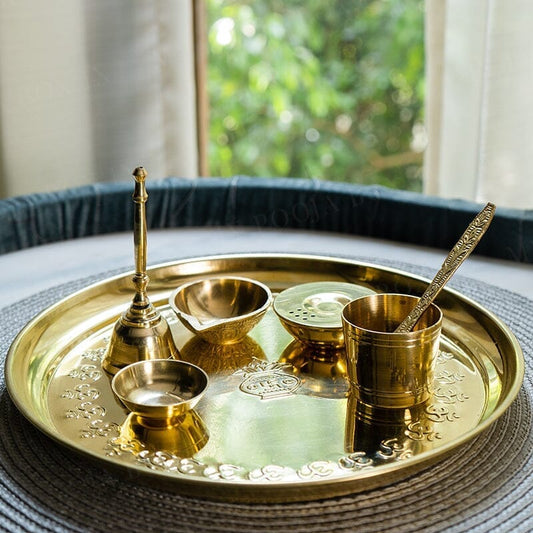
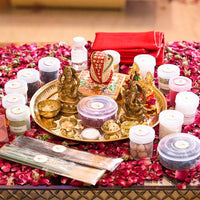
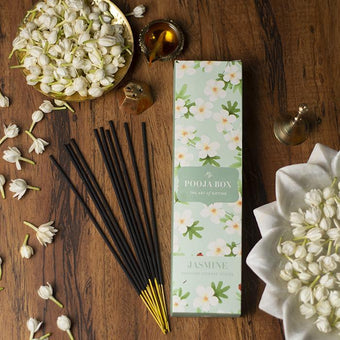
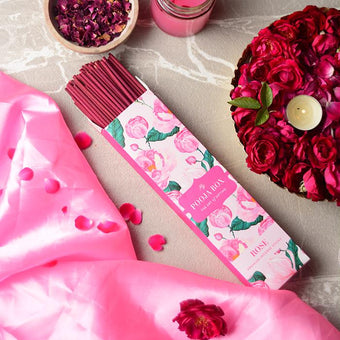
Puja Tip: Prepare your Teej Puja Thali early in the day. Ensure you have essential elements like clay idols of Shiva-Parvati, a brass Kalash, fresh fruits, incense, and traditional Teej sweets like Ghewar.
What Sweets Are Traditionally Offered During Hariyali Teej?
Food plays a joyful role during Teej celebrations, especially when preparing offerings (Prasad) for the evening deity worship.
The absolute quintessential delicacy of Hariyali Teej is Ghewar, a honeycomb-shaped disc sweet originating from Rajasthan, made from flour, ghee, and soaked in sugar syrup (often topped with rabri and dry fruits). Other traditional treats prepared in households include Kheer, Malpua, and Gujiya, which are offered to Goddess Parvati before being shared with family and friends.
6. Exchanging Hariyali Teej Gift Hampers (Sindhara)
A long-standing custom during Teej is the exchange of Sindhara a box of auspicious gifts sent by parents to their married daughter's home.
-
Significance: Gifting during Teej is a gesture of unconditional love, goodwill, and maternal blessings for the daughter's lifelong prosperity.
-
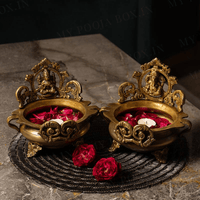
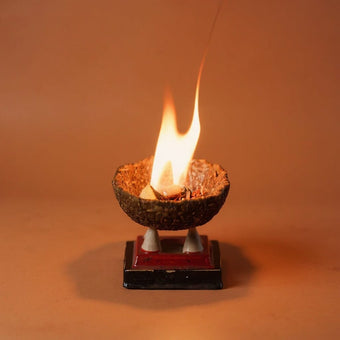
Gifting Tip: Choose eco-friendly pooja hampers featuring reusable metal thalis, brass oil lamps, organic dhoop, and handcrafted decor to keep your celebrations sustainable.
7. Singing Folk Songs & Community Dancing
Hariyali Teej is as much a social and communal celebration as it is a spiritual one.
-
Significance: Women gather in groups in the late afternoon to sing traditional Teej folk songs, dance, and share stories, fostering female bonding and community unity.
-
Pro Tip: Create a festive playlist of regional Teej folk melodies to keep the energy vibrant during group gatherings.
How Do You Break the Hariyali Teej Fast Correctly?
After spending the day fasting, observing the rituals, and listening to the sacred Teej Vrat Katha, breaking the fast (Parana) is done with reverence.
Once the evening Aarti for Lord Shiva and Goddess Parvati is complete, women offer prayers to the moon or the holy lamp. The fast is traditionally broken by sipping sacred water from the Puja Kalash, consuming a piece of Prasad (like Ghewar or fruit), and then enjoying a wholesome home-cooked vegetarian meal with family.
Elevate Your Festive Preparation with My Pooja Box
Celebrating Hariyali Teej with complete devotion is effortless when you have authentic, beautifully crafted pooja essentials.
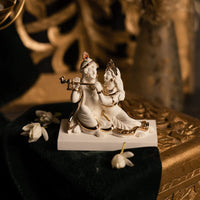
At My Pooja Box, we offer handcrafted brass Puja Thalis, eco-friendly gift hampers, decorative Jhoolas, and traditional brass idols designed to make your rituals sacred and hassle-free.
Explore our exclusive festive collection and welcome prosperity, grace, and joy into your home this Teej season!