

















Holi, the festival of colors, is one of the most exciting and widely celebrated festivals in India and around the world. Known for its fun-filled play with colors, dancing, and singing, Holi brings people together in a spirit of joy and unity. However, amidst the exuberant celebrations, the use of synthetic colors, plastic waste, and harmful chemicals has raised concerns about the festival’s impact on the environment and health.
In 2026, as we embrace the vibrancy of Holi, it’s essential to celebrate in a way that not only brings joy but also promotes sustainability and eco-friendliness. This blog will guide you through eco-friendly Holi ideas and safe ways to celebrate that minimize the impact on the environment while still maintaining the festive spirit of love, unity, and fun.
Why Go Eco-Friendly on Holi? The Importance of Sustainable Celebrations
As we celebrate Holi, we must be mindful of the environmental consequences that come with the traditional practices. From chemical-laden colors to plastic waste from balloons and wrappers, the festival’s vibrant celebrations can sometimes harm our ecosystem. Here’s why it’s important to switch to eco-friendly Holi:
-
Chemical Colors: Many synthetic colors used during Holi contain harmful chemicals like lead, mercury, and asbestos, which can cause skin irritation, respiratory problems, and environmental pollution.
-
Water Pollution: The colors often wash off into drains, causing water pollution and harming aquatic life.
-
Plastic Waste: From water balloons to plastic packets of colors, Holi generates massive amounts of single-use plastic waste that ends up in landfills.
By adopting eco-friendly Holi practices, we can celebrate in a way that protects our health, environment, and planet, all while enjoying the joy and bliss that this festival brings.
Eco-Friendly Ways to Celebrate Holi
Here are some easy and sustainable ways to celebrate Holi 2026 while ensuring that the fun remains safe and eco-conscious:
1. Use Natural and Organic Colors
One of the biggest concerns during Holi is the use of synthetic colors that contain harmful chemicals. To celebrate eco-friendly Holi, opt for natural or organic colors that are made from flower petals, vegetable extracts, and herbs.
-
Benefits:
-
These colors are biodegradable and non-toxic, making them safe for your skin, hair, and the environment.
-
You can find organic color kits available in the market, or you can even make your own colors at home using ingredients like turmeric, beetroot, spinach, saffron, and marigold petals.
-
DIY Organic Colors:
-
Red: Made from beetroot juice or hibiscus flowers.
-
Yellow: Use turmeric or saffron powder.
-
Green: Make a paste from spinach or neem leaves.
-
Blue: Use blueberries or indigo (natural dye).
Switching to natural colors will not only protect your skin and eyes but also reduce the chemical burden on the environment.
2. Choose Waterless Holi or Limited Water Usage
Traditionally, water balloons and colored water are used during Holi, leading to the excessive wastage of water, especially in regions facing water scarcity. To make your Holi celebration more eco-friendly:
-
Opt for Dry Colors: Instead of using water-based colors, play with dry colors or powdered colors. This reduces the wastage of water and avoids contributing to water pollution.
-
Use Water in Moderation: If you wish to incorporate water in the celebrations, try to limit water usage. Opt for color-filled water guns instead of water balloons, and keep the amount of water used minimal.
3. Avoid Plastic and Opt for Eco-Friendly Decorations
Many Holi decorations are made from single-use plastic that contribute to pollution. To make your Holi celebration more sustainable:
-
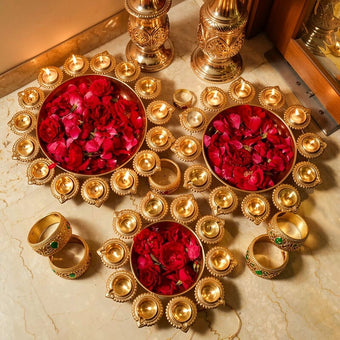
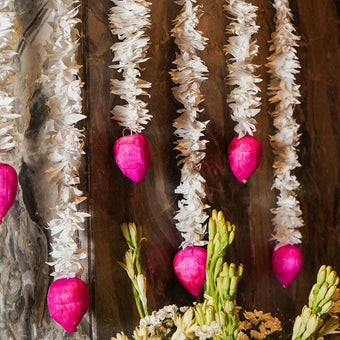
Use Cloth and Paper Decorations: Decorate your house with cloth buntings, flowers, recycled paper garlands, and biodegradable streamers. You can even make DIY decorations with natural materials like bamboo, wood, or coconut shells.
-
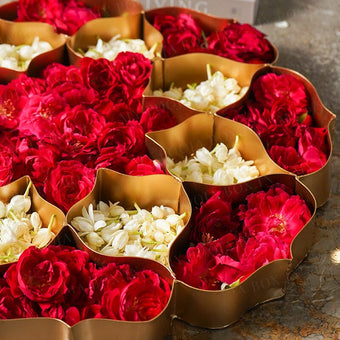
Use Natural Elements: Incorporate fresh flowers, leaves, and plant-based materials into your decorations. These are biodegradable and can be composted after the celebrations.
-
Avoid Plastic Plates and Cups: Instead of using disposable plastic plates and cups, opt for steel, ceramic, or biodegradable alternatives. You can also use reusable steel tumblers and plates for serving drinks and food.
4. Celebrate with Homemade, Eco-Friendly Sweets
Sweets are an integral part of the Holi celebrations, but store-bought sweets often come in excessive packaging, contributing to plastic waste. Instead, consider making homemade sweets that are not only delicious but also eco-friendly:
-
Gujiya: This traditional sweet can be easily made at home using organic ingredients. You can also experiment with healthy fillings like dry fruits or coconut.
-
Thandai: A traditional drink during Holi, thandai can be made with organic milk, nuts, and natural spices.
-
Laddoos and Puran Poli: These are also popular during Holi and can be made using locally sourced and organic ingredients.
Making these treats at home ensures zero plastic packaging and supports local produce.
5. Avoid Harmful Fireworks and Noise Pollution
Though fireworks are common during Holi, they contribute to air pollution, noise pollution, and environmental harm. To celebrate Holi sustainably:
-
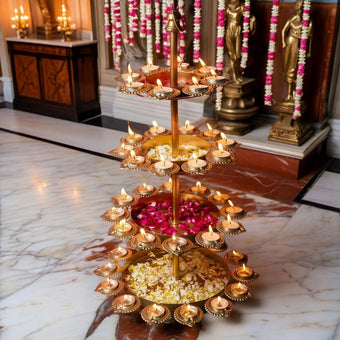
Skip the Fireworks: Instead of fireworks, opt for eco-friendly crackers made with non-toxic materials. You can also choose sparkling candles or diyas to create a beautiful atmosphere without harming the environment.
-
Embrace a Quiet Celebration: Instead of loud noises, celebrate Holi with lively music and traditional dances. This ensures a peaceful and environmentally conscious celebration.
6. Recycle and Properly Dispose of Waste
After the fun and festivities, make sure to clean up and dispose of waste properly:
-
Separate Colors: Organic colors can be safely washed off and are non-toxic. However, if you’re using any synthetic colors, dispose of them responsibly to prevent contamination of water sources.
-
Avoid Plastic Waste: Dispose of any plastic bags, wrappers, or bottles properly and encourage others to reduce waste.
-
Reuse and Recycle: Any decorations or materials used can be recycled or stored for next year’s celebration, cutting down on waste.
Celebrate Holi Responsibly and Sustainably
Holi is a time of joy, unity, and celebration, but it’s also important to remember its impact on the environment. By opting for eco-friendly colors, reducing water wastage, and making sustainable choices, you can ensure that your Holi 2026 is joyful, safe, and environmentally conscious.
Let’s make this Holi a celebration not just of colors, but also of sustainability, love, and respect for the environment. Celebrate with your loved ones, embrace the spirit of the festival, and make a positive difference in how we celebrate the festival of colors.
May this Holi 2026 bring joy, peace, and prosperity to your life-along with a renewed commitment to protecting the planet we all share.