









Holi, the festival of colors, is a time for joy, laughter, and vibrant celebrations. But beneath the exuberant play of colors lies a deep spiritual and cultural significance. While most people associate Holi with throwing colored powders and dancing, it’s important to remember that this lively celebration is rooted in ancient rituals and traditions that honor the victory of good over evil, the arrival of spring, and the triumph of divine energy.
If you’re gearing up to celebrate Holi with your loved ones, understanding the traditional rituals that precede the color-filled festivities will give you a richer, more meaningful experience. These rituals, followed by generations, set the tone for a joyous and blessed Holi celebration.
In this blog, we’ll explore the traditional Holi rituals you should know before jumping into the color festivities. Let’s walk through the steps, significance, and spiritual importance of each ritual so that you can embrace the full essence of Holi.
1. Holika Dahan: The Bonfire Ceremony
The first and one of the most important rituals of Holi is Holika Dahan, which takes place on the evening before Rangwali Holi (the day of colors). This ritual is symbolic of the destruction of evil and the burning away of negativity.
The Legend of Holika
The ritual is rooted in the legend of Prahlad, the son of the demon king Hiranyakashyap, who was a devoted follower of Lord Vishnu. Prahlad’s father, Hiranyakashyap, ordered his sister Holika to kill Prahlad using her fireproof powers. However, due to Prahlad’s unwavering faith in Lord Vishnu, Holika was burned in the fire while Prahlad emerged unscathed.
How to Perform Holika Dahan
-
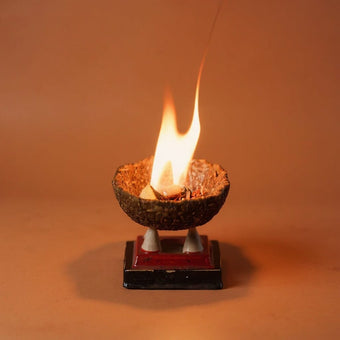
Preparing the Bonfire: On the evening of the day before Rangwali Holi, people gather in communities to set up a bonfire with wood, dried leaves, cow dung cakes, and other materials.
-
Offering Prayers: As the bonfire is lit, people gather around it, offering prayers for the destruction of evil, negativity, and obstacles in their lives. Some communities also perform chants and sing devotional songs.
-
Walking Around the Fire: It’s customary to walk around the bonfire seven times while offering prayers, symbolizing the purification of the body and mind.
2. Rangwali Holi: The Festival of Colors
The second day of Holi is the celebration of colors, known as Rangwali Holi. After the Holika Dahan, the festival transitions into a day of vibrant fun where people come together to throw colored powders at each other, celebrate with dance, and enjoy delicious food.
The Spiritual Significance
While this day is filled with laughter and fun, it also carries a spiritual message. The colors represent the divine energy of Maa Durga and the arrival of spring, a season of renewal, fertility, and new beginnings.
How to Celebrate Rangwali Holi
-
Using Natural Colors: Traditionally, Holi was celebrated with natural colors derived from flowers like hibiscus, marigolds, and roses. Using natural and organic colors helps preserve the spirit of the festival while being eco-friendly.
-
Dancing and Singing: Holi celebrations are often accompanied by traditional Holi songs and dhol (drum) performances. People form groups and sing joyful folk songs, inviting everyone to join the merriment.
-
Sharing Sweets and Treats: Food plays a key role in Holi. Gujiya, thandai, dahi vada, and mathri are popular sweets made during the festival. These are shared with family, friends, and neighbors during the celebration.
3. The Holi Pujan: Seeking Maa Durga's Blessings
Before diving into the colorful festivities, many devotees perform a Holi Pujan (prayer ritual) to seek Maa Durga’s blessings for the festival. The rituals associated with the puja help create an atmosphere of spiritual devotion and peace.
Rituals for Holi Pujan
-
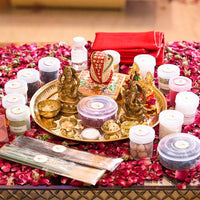
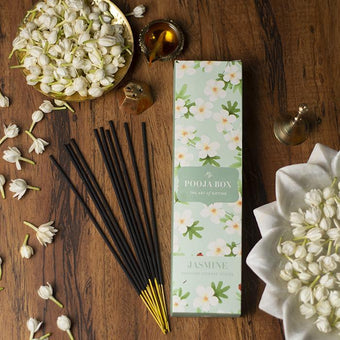
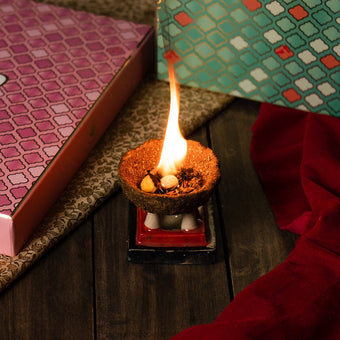
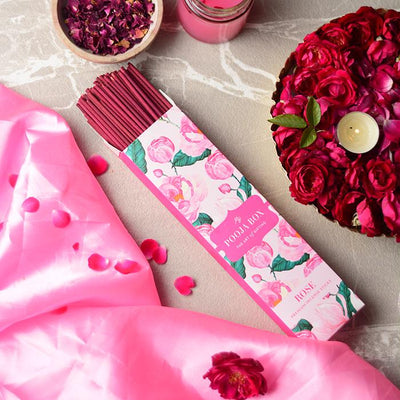
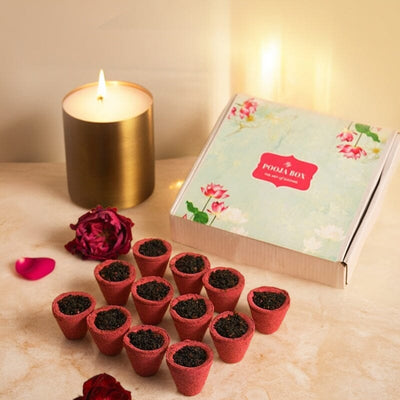
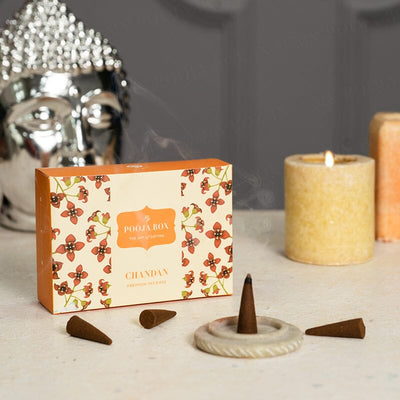
Setting Up the Altar: The puja area is decorated with flowers, incense sticks, and a lamp to create a sacred space. Images of Maa Durga or Lord Vishnu are placed on the altar.
-
Offering Prayers: Devotees offer prayers to Maa Durga, asking for peace, harmony, and blessings in their lives. Special prayers are recited to invoke the goddess’s blessings for prosperity and health.
-
Offering Sweets and Prasad: Sweets like gujiya, ladoos, and barfi are offered to the deities as prasad. The prasad is then distributed among the family and friends.
4. Playing with Colors: A Joyous Celebration of Unity
One of the most enjoyable parts of Holi is the play of colors. While the rituals and prayers are essential, playing with colors adds a sense of community and joy to the festival.
Why Colors?
The use of colors in Holi symbolizes the vibrancy of life and the divine energy of Maa Durga. The colors are seen as a representation of the essence of nature and are used to spread joy, happiness, and peace among people.
How to Play Safely
-
Use Organic Colors: Opt for natural or herbal colors that are free from harmful chemicals to ensure the safety of your skin and the environment.
-
Play with Love and Respect: Holi is a festival of joy, but it’s important to be mindful of others. Play with friends and family, and be respectful of those who might not wish to participate in the color festivities.
5. The Significance of Sweets and Treats During Holi
Food and sweets play a crucial role in the celebration of Holi. Gujiya (a fried sweet filled with khoya and dry fruits) is a quintessential Holi treat, and thandai, a sweet drink made with milk and bhang, is commonly consumed during the festival.
Sharing is Key
-
Sharing sweets with family, friends, and neighbors during Holi represents the spirit of togetherness and unity. The festival is about coming together, forgetting past differences, and building stronger bonds.
6. The After-Party: Embracing the Festive Spirit
After all the fun and colors, Holi celebrations don’t end on the day of Rangwali Holi. It is often followed by a family gathering or a community celebration, where people come together to enjoy the food, share stories, and talk about their experiences.
Relax and Enjoy
-
After playing with colors, it’s important to wash off the colors and enjoy a good meal together. You can host a post-Holi party with traditional Holi sweets, music, and dancing to keep the spirit alive.
Holi – A Festival of Joy, Unity, and Divine Blessings
Holi is more than just a festival of colors; it is a celebration of love, unity, and the victory of good over evil. Through the rituals of Holika Dahan, Holi Pujan, and the joyous play with colors, we embrace the divine energy of Maa Durga and welcome the new season of spring with open hearts.
By celebrating Holi with devotion, safety, and respect for tradition, you not only experience joy but also honor the deeper significance of the festival-spreading peace, love, and harmony among friends, family, and the community.
May this Holi 2026 bring prosperity, health, and happiness into your life, filling it with vibrant colors of joy, love, and unity.